Tag: SampleContent

  • The Logistics Nexus: Strategic Access to the I-40 and I-15 Corridors

    The Logistics Nexus: Strategic Access to the I-40 and I-15 Corridors

    In the world of regional distribution, proximity is profit. Newberry Springs is strategically positioned at the gateway of the Inland Empire’s high-growth northward expansion. With the I-40 passing directly through our community and the I-15 to the north, businesses located here gain a significant logistical advantage.

    This “Interstate Crossroads” provides a direct, high-capacity pipeline for freight moving between the Los Angeles/Long Beach ports and the rest of the continental United States. For firms looking to escape the congestion of the lower basin while maintaining seamless access to major western markets (Las Vegas, Phoenix, and beyond), Newberry Springs represents the next frontier of Southern California logistics.

    Key Infrastructure Points:

    • Direct Access: Immediate entry points to I-40 and I-15.
    • Proximity: 15 minutes to the BNSF Barstow Intermodal facility.
    • Scalability: Large industrial-zoned parcels with freeway visibility.
  • Helping Hand: Demystifying Local Zoning for Home Businesses

    Helping Hand: Demystifying Local Zoning for Home Businesses

    Success in business requires a solid legal foundation. For residents in Newberry Springs, this means understanding the San Bernardino County Home Occupation standards. Whether you are running a consulting firm or a small repair shop, there are specific guidelines regarding noise, traffic, and signage that ensure your business remains a “good neighbor.”

    The Helping Hand resource center provides direct links to the necessary permit applications and a simplified guide to what is allowed in our specific rural-residential zones. By checking these boxes early, you protect your business from future liabilities and ensure that as your “Idea Incubator” project grows, it does so on stable ground.

  • Helping Hand: A Resident’s Guide to the California Cottage Food Act

    Helping Hand: A Resident’s Guide to the California Cottage Food Act

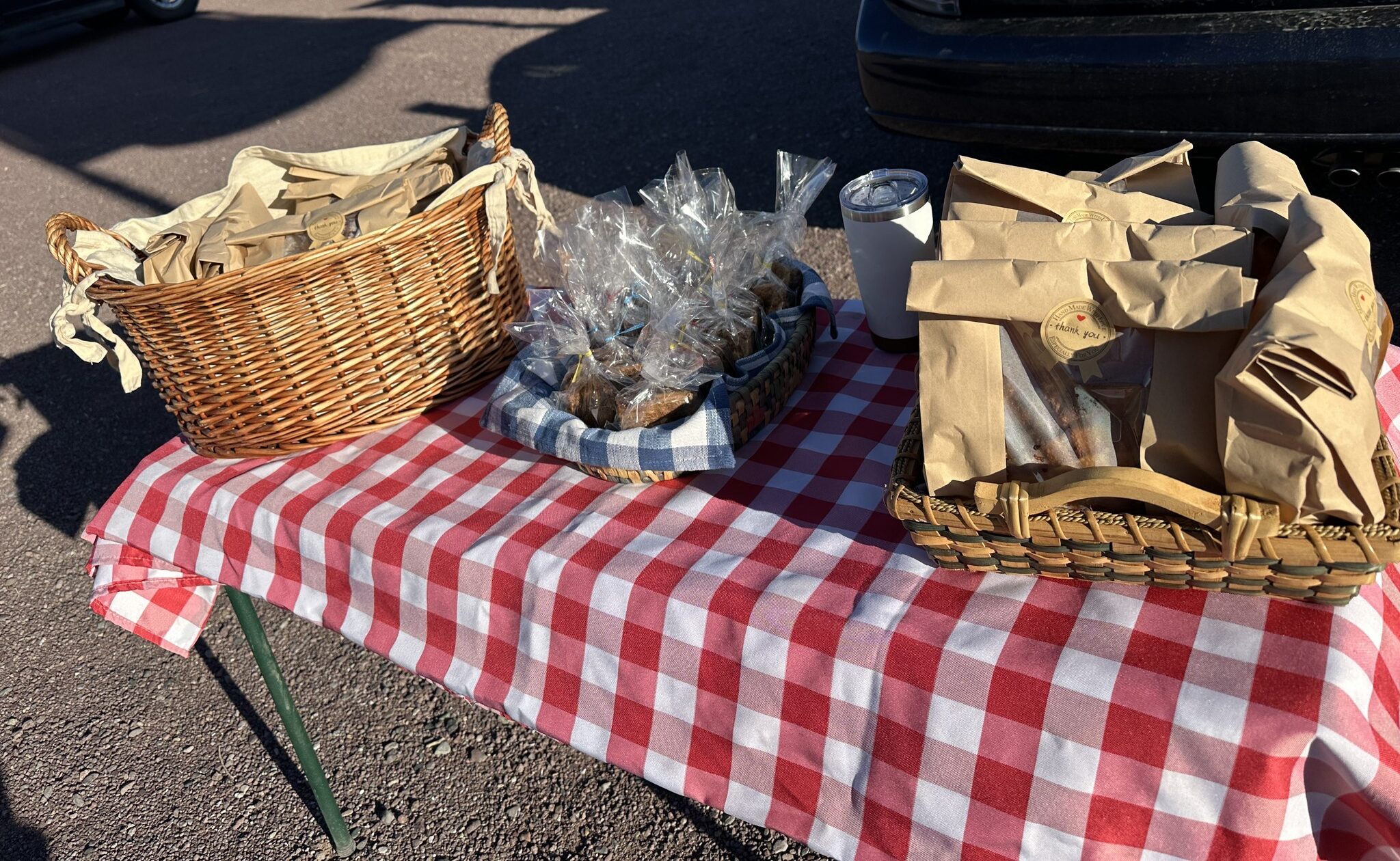
    One of the most common questions we receive is: “Do I need a commercial kitchen to sell my baked goods?” Thanks to the California Cottage Food Act (AB 1616), the answer for many small-scale producers is “No.” This legislation allows individuals to prepare certain non-hazardous foods in their private home kitchens and sell them to the public.

    The Helping Hand series breaks down the “Class A” and “Class B” permits required by San Bernardino County. We provide the checklists for labeling, ingredients, and the specific list of approved foods—ranging from dried fruit to high-acid vinegars. Understanding these regulations is the first step in moving your business from “under-the-table” to a legitimate, scalable enterprise.

  • The Digital Homestead: Launching a Remote Service Business

    The Digital Homestead: Launching a Remote Service Business

    Not every “cottage industry” requires soil. The Idea Incubator is seeing a rise in “Digital Homesteading”—residents using high-speed internet to provide consulting, design, or technical services to clients worldwide. Whether it’s architectural drafting, remote bookkeeping, or media production, the low overhead of living in Newberry Springs makes it an ideal launchpad for digital entrepreneurs.

    The goal of this incubator thread is to connect local talent. If you have a skill that can be delivered via a PDF or a Zoom call, you aren’t limited to the local economy. We are exploring ways to use the NSEDA infrastructure to help digital freelancers pool resources, such as shared marketing efforts or technical troubleshooting groups.

  • Beyond the Raw Material: Unlocking Profit with Value-Added Goods

    Beyond the Raw Material: Unlocking Profit with Value-Added Goods

    In a rural economy, selling raw goods (like a bushel of peaches or a bale of hay) often leaves the producer at the mercy of market fluctuations. The Idea Incubator is focusing this month on “Value-Added Production”—the process of taking a raw desert resource and refining it into a specialized product.

    For example, a gallon of goat milk has a fixed local price. However, that same gallon transformed into artisanal goat-milk soap or aged chèvre increases its value by 300–400%. By moving from a “Commodity” mindset to a “Product” mindset, Newberry residents can leverage their land to create high-margin, shelf-stable items that can be sold far beyond the CSD boundaries via the NSEDA Business Portal.

    Incubator Concepts:

    • Processing: Dehydrating, canning, or fermenting.
    • Branding: Telling the “High Desert Story” to add perceived value.
    • Packaging: Moving from bulk sales to individual, gift-ready units.
  • The Glass Egg Method: Shelf-Stable Preservation Explained

    The Glass Egg Method: Shelf-Stable Preservation Explained

    Before modern refrigeration, desert dwellers relied on “Water Glassing” to keep eggs fresh for up to a year. This method uses Sodium Silicate (or “Water Glass”) to seal the pores of an unwashed eggshell, preventing oxygen from entering and bacteria from growing. For Newberry residents looking to increase their food security, this is an essential skill.

    The process is simple but requires precision: you must use clean, unwashed eggs that still have their natural “bloom” (the protective coating applied by the hen). By submerging them in a specific solution of water and sodium silicate in a food-grade crock or bucket, you can store eggs in a cool, dark place without any electricity required. It’s the ultimate “low-tech” solution for a high-production homestead.

    Key Steps for Success:

    • Start with Clean Shells: Use only unwashed, farm-fresh eggs.
    • The Ratio: Follow the specific dilution rates to ensure a proper seal.
    • Storage: Keep the container in a steady, cool environment (like a pantry or cellar).
  • Meet the Author: Dr. Keller Horton on Dryland Permaculture

    Meet the Author: Dr. Keller Horton on Dryland Permaculture

    Meet the Author: Dr. Keller Horton on Dryland Permaculture

    Transforming a desert lot into a productive landscape requires more than just water—it requires the right species. We are thrilled to announce that the Newberry Springs Garden Club will be sponsoring a book signing and lecture by our very own Dr. Keller Horton, author of “Useful Trees and Shrubs for Dryland Permaculture.”

    Version 1.0.0

    Dr. Horton’s work is a vital resource for anyone living in the Silver Valley. His research focuses on plants that don’t just survive the Mojave heat but thrive within it, providing shade, windbreaks, and even food. Join us at the CSD Building to learn how to apply permaculture principles to your own property and pick up a signed copy of this definitive dryland guide.

    Doctor Keller Horton is not a medical doctor. He comes from a background of thirty five years in education and curriculum design. During that time he also completed his Master’s Degree specializing in Environmental Law and Regional Design Methodologies for Development in Lower Income Countries. Dr. Horton has over 50 years of gardening experience. His lessons began early in life with his parents and both sets of grandparents on farms in West Texas. He caught the Permaculture, “bug” while doing You Tube research on aquaculture greenhouses. While watching a video on aquaculture, a mysterious thumbnail video title appeared on the right side of the screen. The title simply read, “Greening the Desert”. The temptation to click on that video was unbearable. When he watched the video, an entire new world of creating self-sustaining food forests was revealed. Twenty-seven books and 100 videos later he decided to enroll in the fantastic permaculture course offered by the Permaculture Research Institute in Jordan. Yes, Jordan, in the Middle East where the Jordan river separates the nation of Israel from the Hashemite Kingdom of Jordan. The course site was located right within one of the hottest, driest, most rocky, and inhospitable spots you could ever imagine on Planet Earth.

    Event Details:

    • Location: Newberry Springs CSD Building.
    • Featured Work: Useful Trees and Shrubs for Dryland Permaculture.
    • Focus: Low-water landscaping and sustainable shade strategies.
  • Fresh from the Coop: Lynn Hawkins and the Saturday Swap Meet Tradition

    Fresh from the Coop: Lynn Hawkins and the Saturday Swap Meet Tradition

    If you’ve spent a Saturday morning at The Barn, you’ve likely seen the bustle around the egg crates. Lynn Hawkins has turned a passion for poultry into a cornerstone of the local swap meet. Raising chickens in the high desert requires a specific blend of shade management and hydration, but the result is a product that far surpasses store-bought alternatives in both nutrition and flavor.

    Lynn’s presence at the swap meet highlights the “Micro-Ag” economy that defines Newberry Springs. It’s a place where neighbors trade tips on predator-proofing and heat-hardy breeds while picking up their weekly supply of fresh eggs. This Saturday tradition at The Barn isn’t just about food—it’s about the resilient, self-sustaining spirit of our community.

    Swap Meet Quick Facts:

    • When: Every Saturday Morning.
    • Where: The Barn, Newberry Springs.
    • Why: Support local growers and get the freshest high-desert produce.
  • Sustainable Seeds: Updates from the Newberry Springs Garden Club

    Sustainable Seeds: Updates from the Newberry Springs Garden Club

    The Newberry Springs Garden Club continues to be the primary knowledge exchange for our local green thumbs. This month, we are focusing on “Desert-Hardy Varieties”—selecting seeds that have evolved to thrive in our specific micro-climate. By sharing seeds and starts among neighbors, we are building a localized “Seed Bank” that is far more resilient than anything bought at a big-box store.

    In addition to our monthly swap, the club is highlighting low-volume drip irrigation setups. These systems are essential for maintaining our lush home gardens while staying within our community’s water conservation goals. Whether you’re growing heirloom tomatoes or desert lavender, the Garden Club is here to ensure your garden thrives as a sustainable asset to the Newberry Springs ecosystem.

    This Month’s Focus:

    • The Heirloom Swap: Exchange seeds that have successfully fruited in Newberry soil.
    • Drip Logic: Transitioning from overhead spray to targeted root-zone watering.
    • Garden Mentorship: Pairing experienced growers with new residents.
  • Hardening the Earth: Prepping Your Soil for the 100-Degree Shift

    Hardening the Earth: Prepping Your Soil for the 100-Degree Shift

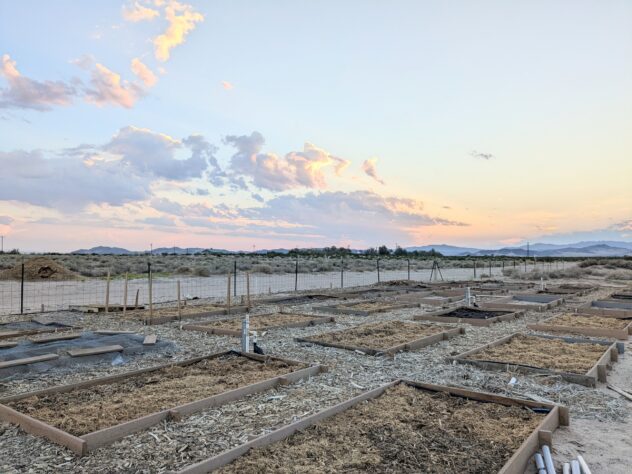
    In Newberry Springs, our soil deals with extreme temperature swings that can bake the life out of a garden in a single afternoon. To survive the upcoming summer heat, your preparation must start at the root level. The “Mulch and Mend” strategy is the most effective way to maintain moisture and prevent soil compaction.

    Start by integrating organic matter—compost or well-aged manure—at least six inches deep to improve water retention. Then, apply a thick layer (3–4 inches) of light-colored mulch, such as straw or wood chips, around the base of your plants. This acts as a thermal blanket, keeping soil temperatures up to 20 degrees cooler than the ambient air and reducing evaporation by half.

    Summer Prep Checklist:

    • Amend Early: Feed the soil before the heat stresses the plants.
    • The “Finger Test”: Check moisture levels 2 inches down; surface dryness is a desert illusion.
    • Windbreaks: Protect young crops from the dehydrating effects of high-velocity Mojave winds.