Category: Agricultural Tutorials

“How-to” content specifically for high-desert challenges, like “Prepping Soil for the Summer Heat”.

  • The Glass Egg Method: Shelf-Stable Preservation Explained

    The Glass Egg Method: Shelf-Stable Preservation Explained

    Before modern refrigeration, desert dwellers relied on “Water Glassing” to keep eggs fresh for up to a year. This method uses Sodium Silicate (or “Water Glass”) to seal the pores of an unwashed eggshell, preventing oxygen from entering and bacteria from growing. For Newberry residents looking to increase their food security, this is an essential skill.

    The process is simple but requires precision: you must use clean, unwashed eggs that still have their natural “bloom” (the protective coating applied by the hen). By submerging them in a specific solution of water and sodium silicate in a food-grade crock or bucket, you can store eggs in a cool, dark place without any electricity required. It’s the ultimate “low-tech” solution for a high-production homestead.

    Key Steps for Success:

    • Start with Clean Shells: Use only unwashed, farm-fresh eggs.
    • The Ratio: Follow the specific dilution rates to ensure a proper seal.
    • Storage: Keep the container in a steady, cool environment (like a pantry or cellar).
  • Hardening the Earth: Prepping Your Soil for the 100-Degree Shift

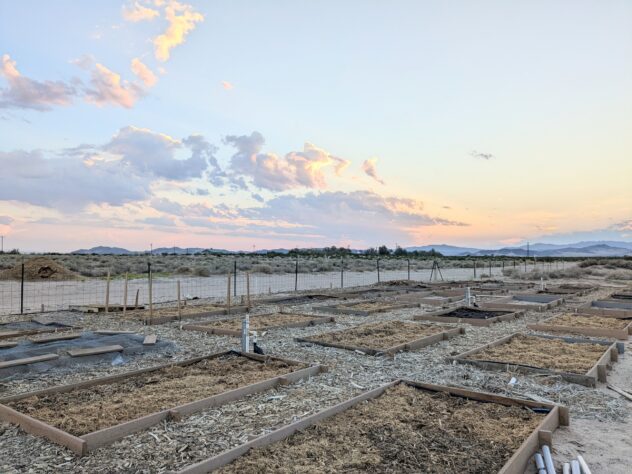
    Hardening the Earth: Prepping Your Soil for the 100-Degree Shift

    In Newberry Springs, our soil deals with extreme temperature swings that can bake the life out of a garden in a single afternoon. To survive the upcoming summer heat, your preparation must start at the root level. The “Mulch and Mend” strategy is the most effective way to maintain moisture and prevent soil compaction.

    Start by integrating organic matter—compost or well-aged manure—at least six inches deep to improve water retention. Then, apply a thick layer (3–4 inches) of light-colored mulch, such as straw or wood chips, around the base of your plants. This acts as a thermal blanket, keeping soil temperatures up to 20 degrees cooler than the ambient air and reducing evaporation by half.

    Summer Prep Checklist:

    • Amend Early: Feed the soil before the heat stresses the plants.
    • The “Finger Test”: Check moisture levels 2 inches down; surface dryness is a desert illusion.
    • Windbreaks: Protect young crops from the dehydrating effects of high-velocity Mojave winds.