Our Government
Here you will find the various positions, branches, and jurisdictions of our government.

The evolution of Newberry Springs is a journey from an ancient Mojave Indian trail to a modern highway corridor. In 1776, Father Francisco Garcés became the first European to traverse the desert, following indigenous guides. Half a century later in 1826, Jedediah Smith arrived on the Old Salt Lake Trail later known as the Old Spanish Trail, becoming the first American to reach California overland. By the 1880s, the Atlantic and Pacific Railroad harnessed the area’s vital water resources, originally naming the region “Water”. This established a permanent stop that evolved into the National Old Trails Road in 1912, one of the nation’s first transcontinental auto routes. This rough road was incorporated into the iconic Route 66 in 1926, which was eventually paved in the 1930s and transformed the oasis into a bustling traveler’s hub.

Newberry Community Services District
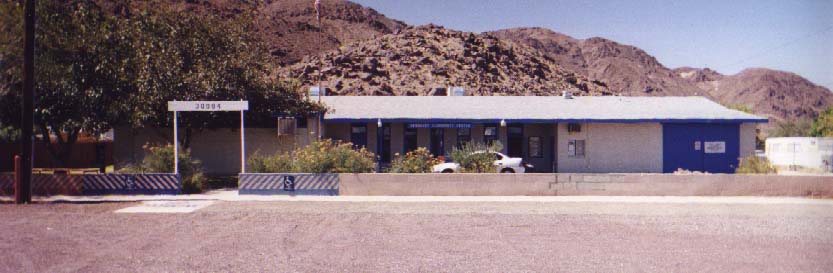
The residents of Newberry built the Community Building in 1957 through local donations. In 1958, they voted to create the Newberry Community Services District (NCSD) through the San Bernardino County Board of Supervisors and later fell under the authority of San Bernardino County Local Agency Formation Commission (SBCLAFCO), created by the California Legislature in 1963.
NewberryCSD.net
NCSD Board of Directors
- Fire Department
- Street Lights
- Parks and Recreation

Silver Valley Unified School District
The Silver Valley Unified School District (SVUSD) was formed in 1979. Previously part of the Barstow Unified School District, the district was established to serve the communities of Calico, Daggett, Yermo, Ludlow, Newberry Springs, and Fort Irwin.
SVUSDk12.net
SVUSD Board of Education
- Trustee Area 4
- Trustee Area 5

Mojave Water Agency
The Mojave Water Agency (MWA) was established in 1960 to address regional groundwater overdraft, authorized by the California Legislature in 1959. It was activated following a vote by residents in June 1960 and serves as a State Water Project contractor covering roughly 4,900 square miles.
MojaveWater.org
MWA Board of Directors
- Disvision 6

Mojave Desert Resource Conservation District
The Mojave Desert Resource Conservation District (MDRCD) was established in March 1951. It was formed as an independent special district under Division 9 of the California Public Resources Code. Today, it is the largest of the 3,000 conservation districts in the nation, covering approximately 11.5 million acres (nearly 18,000 square miles).
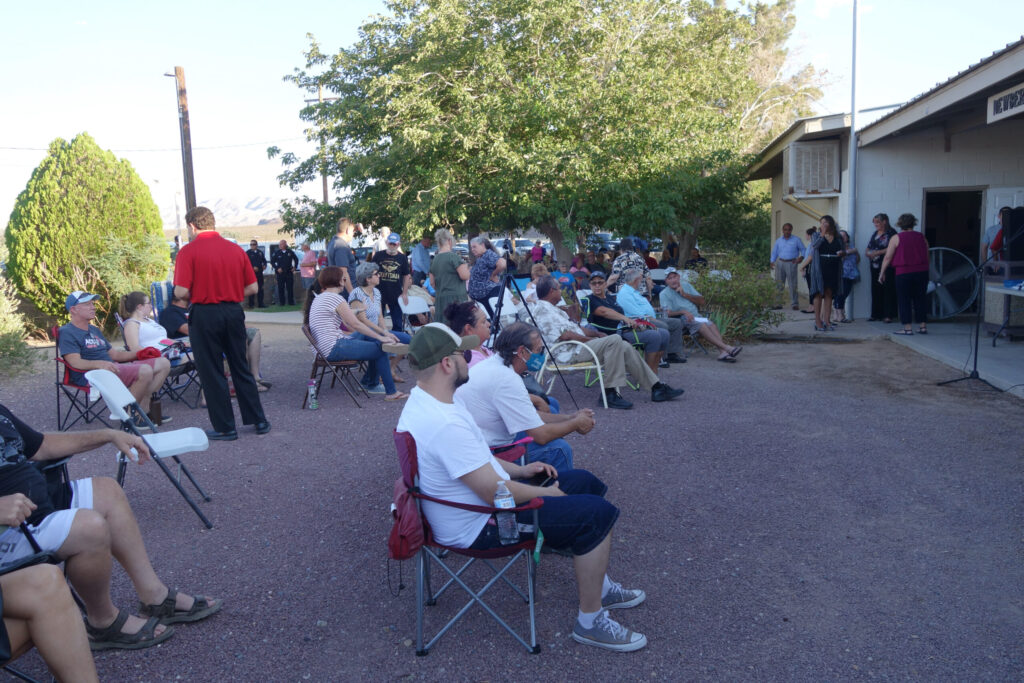
Newberry Springs has long operated as an unincorporated community of San Bernardino County, but the question of whether we should transition into an independent city is a conversation that resurfaces with every generation. This section serves as an open invitation to our residents to explore the potential benefits and drawbacks of incorporation, from gaining local control over zoning and resources to the added responsibilities of funding our own municipal services. By providing a dedicated space for this debate, we aim to weigh the desire for self-governance against the costs of independence, ensuring that any future path forward is driven by an informed and engaged community.
Benefits:
The Power of the “City” Name
- Official Identity: Establishes Newberry Springs as a formal destination on state maps and GPS, rather than just a census-designated place.
- Grant Eligibility: Opens doors to federal and state grants that are exclusively reserved for incorporated municipalities rather than county pockets.
- Branding & Tourism: Enhances the ability to market the town’s historic Route 66 legacy under a unified, official brand.
- Postal Recognition: Can help solidify a permanent local post office presence and improve accuracy in shipping and regional logistics.
- Civic Pride: Fosters a stronger sense of community ownership and a formal “seat at the table” during regional planning meetings.
Pros:
Cityhood vs. Unincorporated Status
- Local Control: Decisions on zoning, land use, and development are made by neighbors you elect, not a board in San Bernardino.
- Revenue Retention: A portion of the sales and property taxes generated locally stays in Newberry Springs instead of going into the County’s general fund.
- Customized Ordinances: The ability to write local laws that specifically protect our desert lifestyle rather than following “one-size-fits-all” county codes.
- Direct Accountability: You can walk into a local City Hall to address a problem rather than calling a county office 60 miles away.
- Prioritized Services: The city can contract for its own dedicated sheriff patrols or code enforcement specifically for our town’s needs.
Cons:
What is Lost by Incorporating
- The “Safety Net”: You lose the automatic, full-scale administrative and engineering support provided by the massive San Bernardino County infrastructure.
- Financial Burden: The community must now fund the salaries of a City Manager, City Clerk, and essential staff through local taxes or fees.
- Liability Exposure: The new city becomes legally responsible for its own insurance, lawsuits, and workers’ compensation claims.
- Regulatory Red Tape: Incorporation often leads to the creation of a local bureaucracy that may end up being more restrictive than the County was.
- Service Duplication: Transitioning away from County Fire or Public Works can lead to temporary gaps or increased costs for the same level of service.
Risks:
Cityhood vs. Traditional Rural Living
- Urban Creep: Official city status often attracts developers, which can lead to unwanted “suburbanization” and the loss of our wide-open spaces.
- Tax Hikes: If the city’s initial revenue isn’t enough to cover mandated services, the only solution is often raising local taxes or assessments.
- Political Infighting: Small-town politics can become highly personal and divisive, potentially stalling progress or creating community rifts.
- Unfunded Mandates: The state often passes laws requiring cities to provide specific services (like affordable housing quotas) that are difficult for rural towns to meet.
- Bankruptcy Potential: If a major economic downturn hits, a small city has much less financial “cushion” than a County, risking a total collapse of services.

San Bernardino County was officially created on April 26, 1853. It was formed primarily from parts of Los Angeles County, and included portions of San Diego and Mariposa counties in its original formation, though they later seceded. The county was established by the California Legislature by a bill introduced by Assemblyman Jefferson Hunt.


The San Bernardino County Sheriff’s Department was established in 1853, the same year the county was created. Robert Clift was sworn in as the first sheriff of San Bernardino County that year.

San Bernardino County District Attorney
The San Bernardino County District Attorney’s Office was created by an act of the California State Legislature on February 27, 1853. It was established shortly after the county was formed that same year, with William Stout serving as the first District Attorney from 1853–1855.
Legislative Branch
San Bernardino County
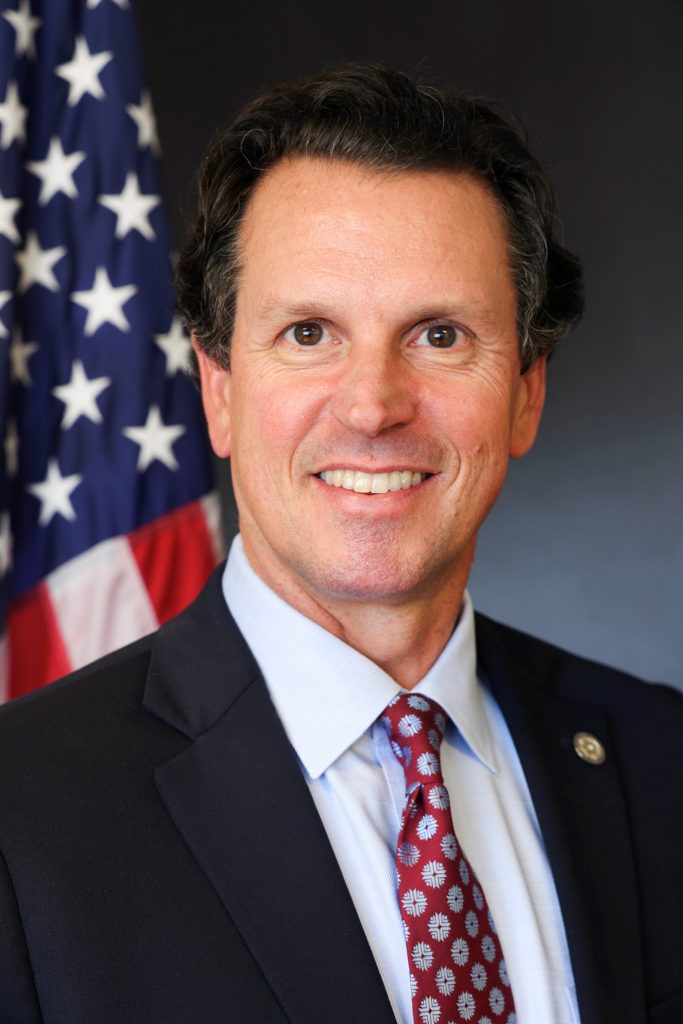
Board of Supervisors

Following San Bernardino County’s creation in April 1853, the first Board of Supervisors was established in May 1855, comprising three members: Daniel Stark, William Crosby, and Louis Robidoux. They oversaw an massive, newly formed county and held their first meetings in May 1855, with Crosby elected as the first chairman.

San Bernardino County
District 3 Supervisor
San Bernardino County Local Agency Formation Commission
The San Bernardino County Local Agency Formation Commission (SBCLAFCO) was established in 1963 by the California State Legislature. It was created alongside commissions in nearly every other California county to address post-WWII “annexation wars” and haphazard community planning that led to inefficient government service boundaries.

Judicial Branch
California Superior Court
of San Bernardino County
Before June 1998, California’s trial courts consisted of superior and municipal courts, each with its own jurisdiction and number of judges fixed by the Legislature. In June 1998, California voters approved Proposition 220, a constitutional amendment that permitted the judges in each county to merge their superior and municipal courts into a “unified,” or single, superior court. As of February 2001, all of California’s 58 counties have voted to unify their trial courts.

San Bernardino County’s first official courthouse was a dedicated two-story wooden building with a cupola completed around 1874–1875 at Court and E Streets. Prior to this, from 1853, court business was held in the Mormon Council House and later a rented brick house. The first judge was Daniel M. Thomas, elected in 1853.
Superior Court of California
County of San Bernardino

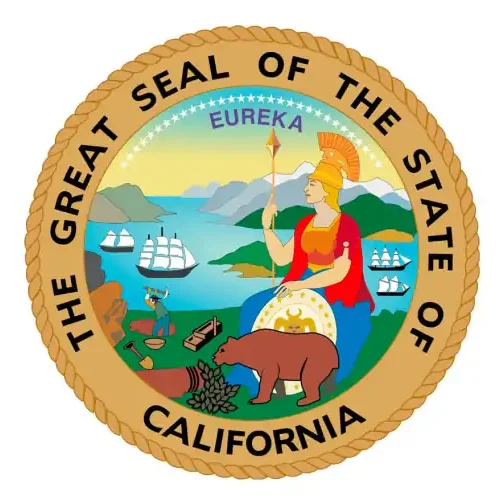
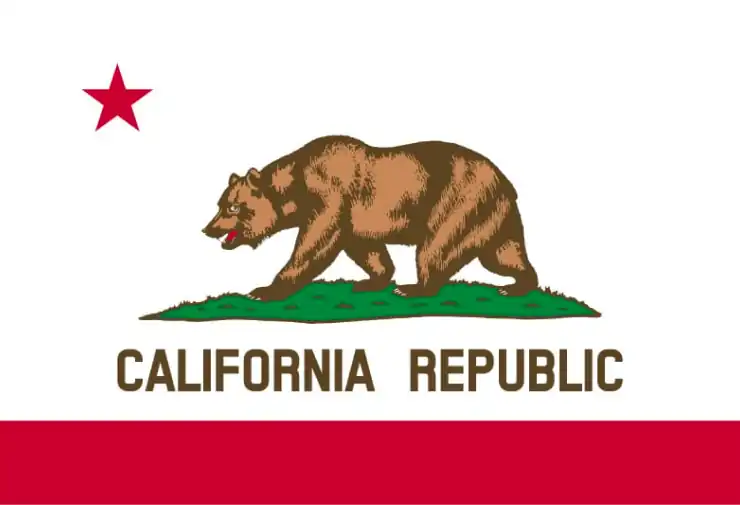
The land of the State of California was officially acquired by the United States from Mexico under the Treaty of Guadalupe Hidalgo on February 2, 1848, which concluded the Mexican-American War. As part of this “Mexican Cession,” the U.S. paid Mexico $15 million for a vast territory that included present-day California, Nevada, Utah, and parts of several other states. The region’s path to statehood was uniquely expedited by the California Gold Rush, which triggered a massive population boom in 1849 that made organized civil government an urgent necessity. Bypassing the typical formal territorial stage, California was admitted directly to the Union as the 31st state on September 9, 1850, as a free state under the Compromise of 1850.
Executive Branch
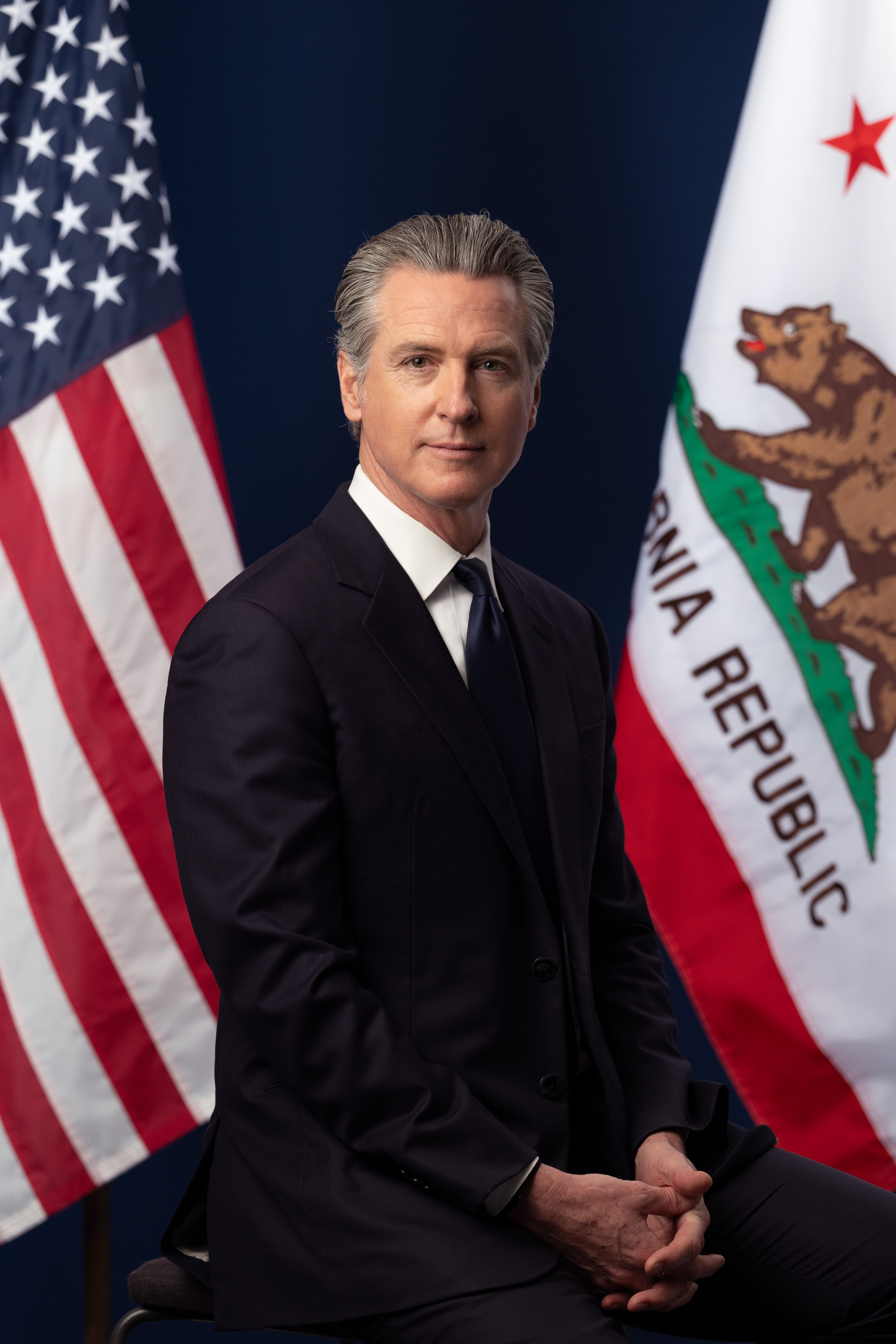

Governor of California
Gov. Gavin Newsom
The executive branch is headed by the Governor of California, who serves as the chief executive responsible for overseeing state agencies and enforcing the laws enacted by the legislature. In addition to administrative duties, the Governor holds significant legislative influence through the power to propose the annual state budget, sign or veto bills, and serve as the Commander-in-Chief of the state’s National Guard.


California
Department of Justice
Attorney General
Rob Bonta
The Office of the Attorney General serves as California’s chief law officer and primary legal counsel, responsible for ensuring that state laws are uniformly and adequately enforced across all jurisdictions. Through the California Department of Justice, the office manages a massive staff of over 5,000 employees who represent the state in complex litigation, supervise local district attorneys and sheriffs, and coordinate statewide law enforcement efforts.
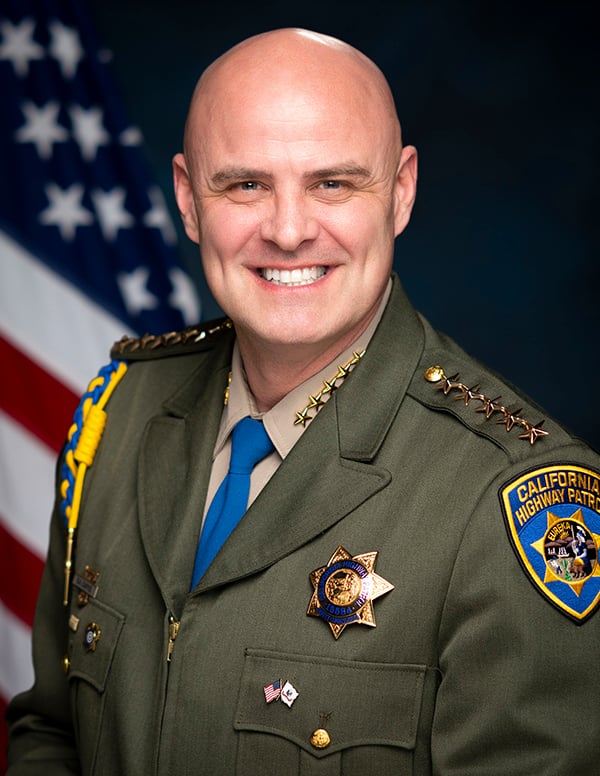

California Highway Patrol
Commissioner
Sean Duryee
As California’s de facto state police, the CHP is tasked with the comprehensive protection of state infrastructure, including the security of the State Capitol, judicial facilities, and hundreds of state properties and employees. Additionally, the department operates specialized investigative units and tactical teams that handle statewide counter-terrorism, organized crime task forces, and dignitary protection for the Governor and constitutional officers.
Legislative Branch
California State Legislature

The California State Legislature is a bicameral body consisting of an 80-member State Assembly and a 40-member State Senate that serves as the primary law-making power for the state. As one of only ten full-time state legislatures in the country, it is responsible for drafting statutes, approving the state budget, and conducting oversight of executive agencies.
California State Assembly


California State Assembly District 34
Tom Lackey
California’s 34th State Assembly District is a massive geographic region covering over 18,000 square miles across portions of Kern, San Bernardino, and Los Angeles counties, encompassing the high desert, the Mojave, and parts of the Antelope Valley. The district’s economy is anchored by the aerospace and defense sectors, featuring major landmarks like the Naval Air Warfare Center at China Lake and the Mojave Air and Space Port.
California State Senate



California State Senate
District 19
Rosilicie Ochoa Bogh
The 19th Senate District, it is a massive geographic area that serves as the “backbone” of California’s infrastructure, hosting major segments of the I-15 and I-40 corridors that move billions in freight between the coast and the rest of the country. Politically, the district is a major battleground over local land-use and water rights, specifically involving state-level efforts to balance large-scale solar development with the preservation of High Desert communities and critical groundwater resources.
Judicial Branch

The state Constitution vests the judicial power of California in the Supreme Court, Courts of Appeal, and superior courts. The Constitution also provides for the formation and functions of the Judicial Council, the policymaking body for the judicial branch.
California Courts of Appeal
4th Appellate District
Division 2
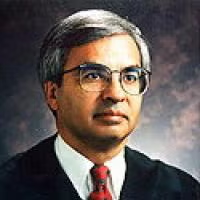
Established by a constitutional amendment in 1904, the Courts of Appeal are California’s intermediate courts of review. California has six appellate districts, three of which have multiple divisions. The district headquarters for the Fourth Appellate District are located in San Diego. The Legislature has constitutional authority to create new appellate districts and divisions.
Court of Appeal
4th Appellate District
Division 2
Hon. Manuel A. Ramirez
Presiding Judge
California Supreme Court
The Supreme Court of California is the state’s highest court. Its decisions are binding on all other California courts. The court conducts regular sessions in San Francisco, Los Angeles, and Sacramento; it also occasionally holds special sessions elsewhere.

Supreme Court of California
Hon. Patricia Guerrero
Chief Justice


The ratification of the U.S. Constitution in 1788 replaced the weak Articles of Confederation with a robust federal framework designed to balance power through three co-equal branches: the Legislative (to make laws), the Executive (to enforce them), and the Judicial (to interpret them). To prevent tyranny, it established a system of checks and balances while guaranteeing that every state maintains a republican form of government, as mandated by Article IV. This structure ensures that both the national and state governments operate as constitutional republics, where authority is derived from the people through democratically elected representatives who are bound by the supreme law of the land.

Executive Branch


President of the United States
President Donald J. Trump
The President serves as the Commander-in-Chief of the armed forces and the head of the federal bureaucracy, wielding the authority to manage national security and direct the operations of executive departments. Beyond military command, the President holds the critical power to appoint federal officials, negotiate international treaties, and ensure that all federal laws are faithfully executed across the nation.
James K. Polk was the first president to profoundly impact California, as his administration aggressively pursued the Mexican-American War to acquire the territory and later legitimized the California Gold Rush in his 1848 State of the Union address. Conversely, Herbert Hoover was the first president deeply shaped by the state; he was a member of Stanford University’s inaugural class and built a global reputation as a mining engineer and statesman from his home base in Palo Alto.


United States
Department of Justice
Attorney General
Acting AG Todd Blanche
The Office of the Attorney General serves as the chief law enforcement officer of the United States, responsible for representing the federal government in legal matters and providing formal legal advice to the President and executive departments. Through the Department of Justice, the Attorney General oversees the investigation and prosecution of federal crimes, ensures the fair administration of justice, and coordinates the activities of key agencies like the FBI and DEA.
Isaac Toucey was the first U.S. Attorney General to significantly impact California; appointed in 1848, he oversaw the initial legal transition of the region from Mexican to American control following the Treaty of Guadalupe Hidalgo. Conversely, John J. Crittenden was the first to be profoundly impacted by California’s unique challenges, as his second term (1850–1853) was dominated by the California Land Act of 1851, which forced the federal government to adjudicate hundreds of complex Spanish and Mexican land grants during the chaos of the Gold Rush.
U.S. Department of Justice
U.S. Attorney for the Central District of California
Eastern Division
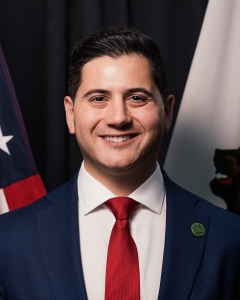
Bilal A. Essayli
The U.S. Attorney for the Central District of California serves as the chief federal law enforcement officer for a region of nearly 20 million people, overseeing the investigation and prosecution of all federal criminal cases within seven California counties. In its civil capacity, the office represents the United States government and its agencies in litigation, handling everything from defending federal employees in court to pursuing affirmative actions for civil rights violations and financial fraud.
Legislative Branch
Congress of the United States

The United States Congress serves as the nation’s primary lawmaking body, holding the exclusive power to draft federal legislation, declare war, and regulate interstate and foreign commerce. Additionally, it maintains a critical check on the other branches by managing the “power of the purse” through the federal budget and conducting oversight of executive agencies.
U.S. House of Representatives
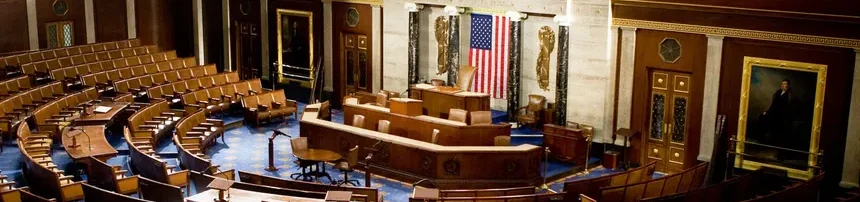
The House of Representatives serves as the “people’s house” with the exclusive power to originate all revenue-raising bills and initiate the impeachment process against federal officials.
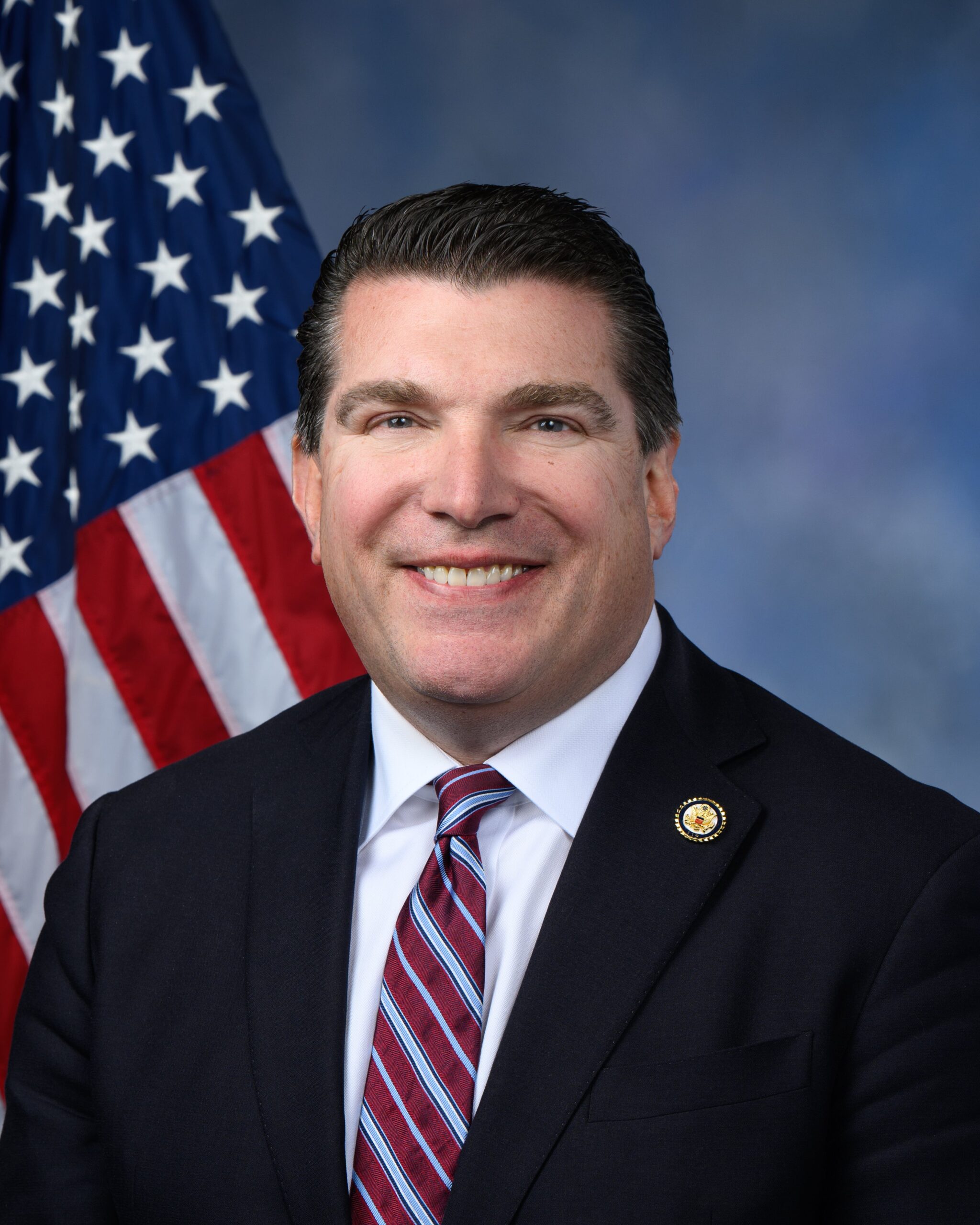

U.S. Congressman
District CA-23
Jay Obernolte
California currently holds 52 seats in the U.S. House of Representatives, the largest delegation of any state, despite losing a seat for the first time in its history following the 2020 Census. California’s 23rd Congressional District is anchored in San Bernardino County and includes the Mojave Desert, covering cities such as Victorville, Hesperia, and Apple Valley. The district is also notable for its high concentration of military personnel, housing major installations like the Fort Irwin National Training Center and the Marine Corps Air Ground Combat Center Twentynine Palms.
United States Senate
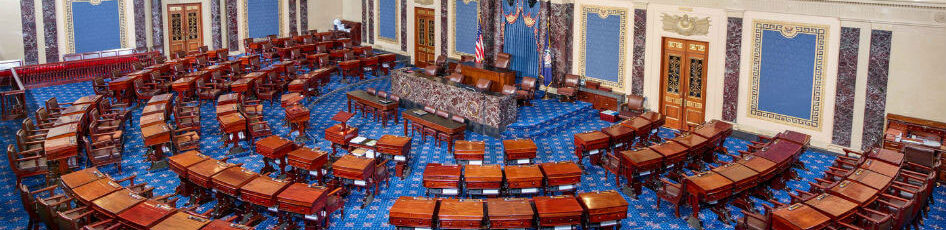
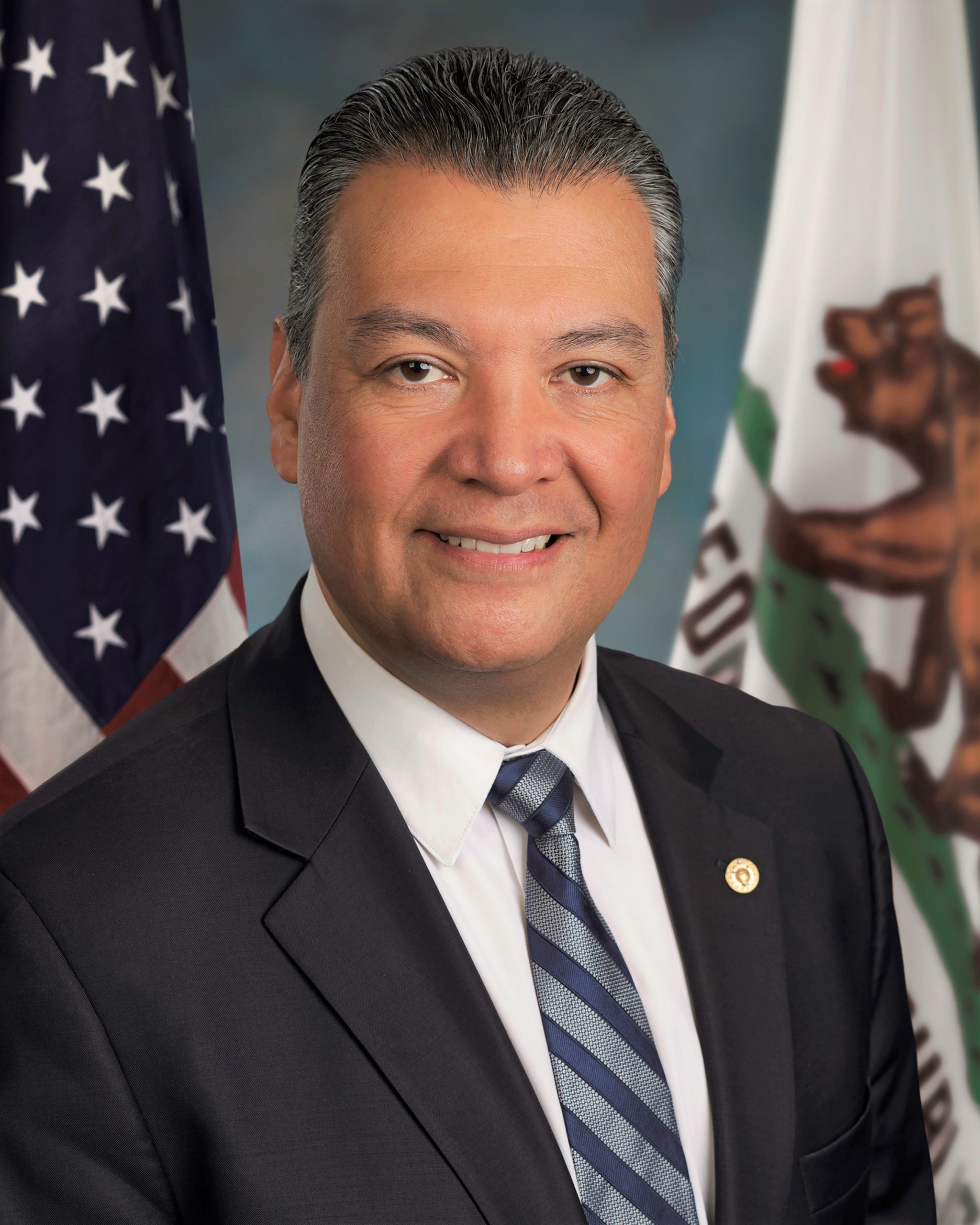
The United States Senate acts as a deliberative body that provides “advice and consent” by confirming presidential appointments, ratifying international treaties, and conducting impeachment trials.
Judicial Branch
U.S. District Courts serve as the primary trial courts of the federal judiciary, where judges and juries resolve disputes by determining the facts of a case and applying relevant federal laws. These courts hold original jurisdiction over nearly all categories of federal civil and criminal matters, including cases involving the Constitution, federal statutes, and diversity of citizenship between residents of different states.
United States District Court
Central District of California
The U.S. District Court for the Central District of California serves as a federal trial court that resolves disputes by determining facts and applying federal law to civil and criminal cases within its seven-county jurisdiction.
United States Bankruptcy Court
Central District of California
The U.S. Bankruptcy Court for the Central District of California functions as a specialized unit of the federal judiciary with exclusive jurisdiction to resolve disputes between debtors and creditors by overseeing the liquidation or reorganization of assets under the U.S. Bankruptcy Code.
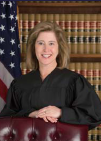

The U.S. Courts of Appeals serve as intermediate appellate courts that review challenges to district court decisions to ensure legal procedures were fair and that the law was applied correctly. Headquartered in San Francisco, the Ninth Circuit Court of Appeals is the largest of the nation’s 13 appellate courts, exercising jurisdiction over nine Western states and two Pacific Island territories.


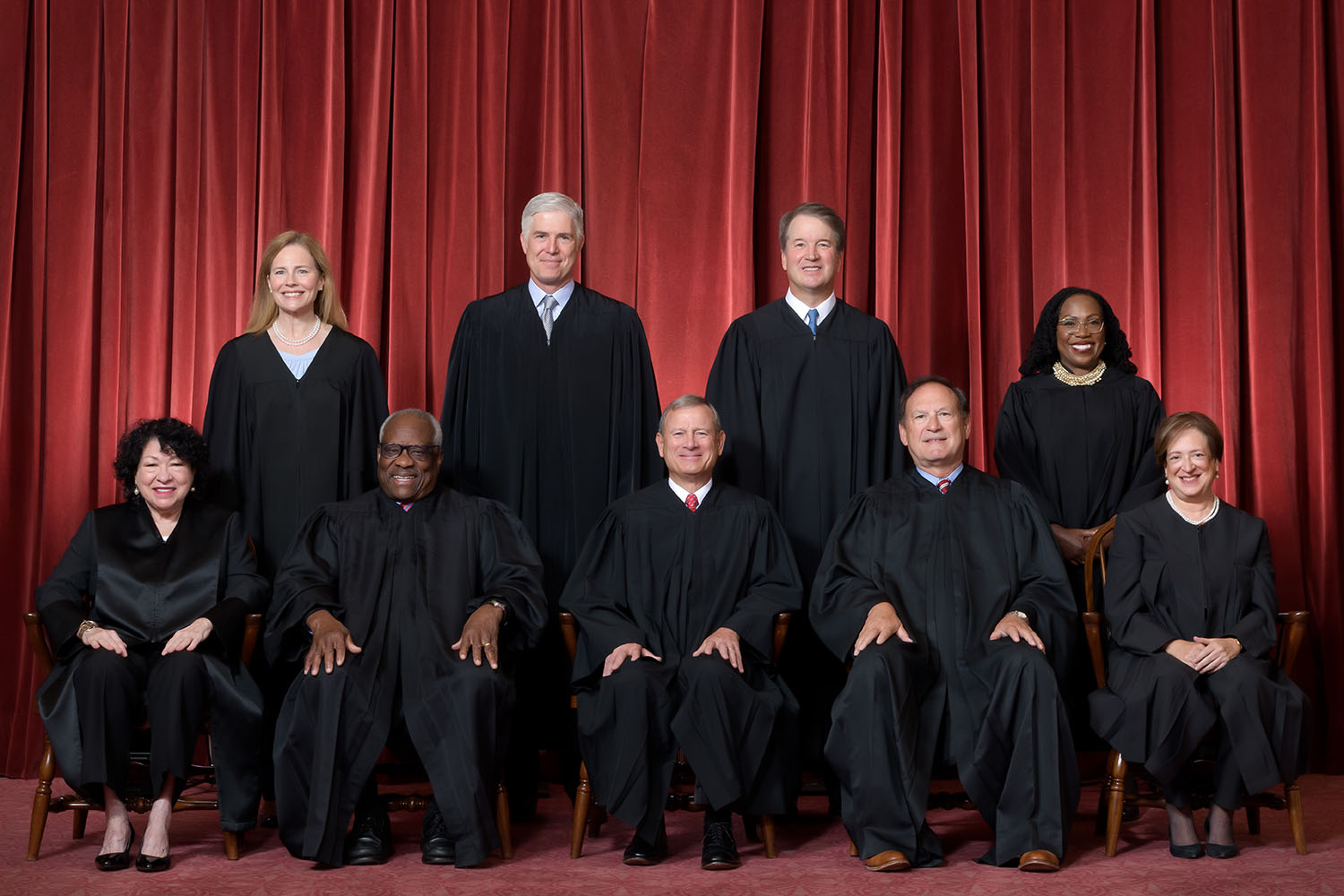
The U.S. Supreme Court serves as the highest tribunal in the nation, acting as the final arbiter of law and the ultimate guardian of constitutional liberties. Through the power of judicial review, the Court ensures that the actions of the executive and legislative branches, as well as state governments, remain consistent with the Constitution.